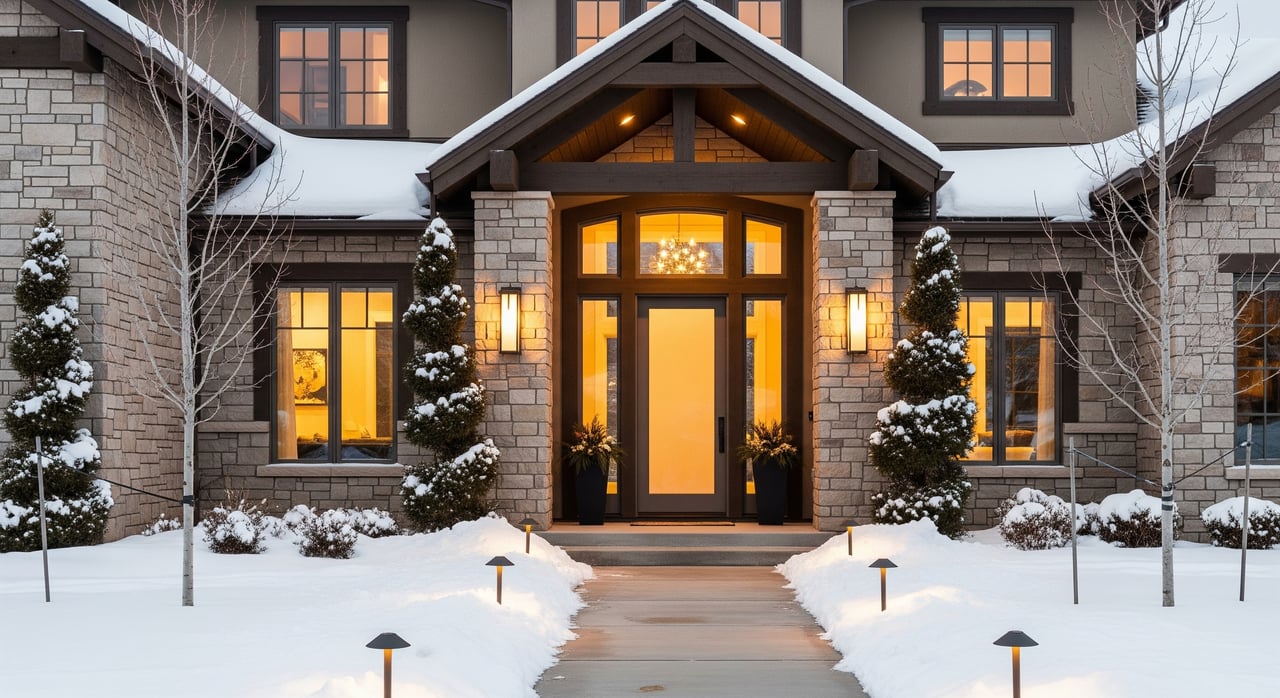
Cold nights arrive early in Aurora. Some years, the first hard freeze hits by early October, which can catch even seasoned homeowners off guard. If you want to avoid frozen pipes, ice dams, and surprise repairs, a little prep now goes a long way. In this guide, you’ll get a simple, local checklist to protect your home, lower winter costs, and keep your investment in great shape. Let’s dive in.
Why winterize in Aurora
Aurora sits at roughly 5,300 to 6,200 feet with a cold, semi‑arid climate and frequent freeze–thaw swings. Regional records show seasonal snowfall often in the 40 to 50 inch range, with long stretches of subfreezing nights in midwinter. You can review regional seasonal snowfall averages through the National Weather Service for context. See seasonal snowfall trends.
First freezes in the Denver–Aurora area often arrive in early October. That means outdoor systems and exposed plumbing should be winterized by late October at the latest. You can confirm regional patterns using first‑freeze maps. If your home sits at a higher elevation or in a windy spot, plan conservatively.
Exterior checklist
Roof and gutters
- Inspect shingles, flashing, and vents from the ground. Look for missing or curled shingles and damaged flashing.
- Clean gutters and downspouts to keep meltwater moving. Clogged gutters plus heat loss can lead to ice dams.
- After heavy snow, use a roof rake from the ground to reduce snow buildup at eaves. Avoid climbing onto icy roofs.
- Reduce ice‑dam risk with good attic air sealing, insulation, and ventilation. Learn how ice dams form and how to prevent them using this ice‑dam primer.
Irrigation and hose bibs
- Disconnect garden hoses. Drain and shut off interior valves that feed exterior spigots where present.
- Open outdoor faucets to let water drain, then install insulated covers if you use them.
- Schedule a professional irrigation blow‑out or follow your system’s winterization instructions well before the first freeze.
Driveways, walkways, and deicing
- Stock deicer before the first storm. Calcium chloride generally causes less damage to plants and concrete than plain rock salt.
- Stage sturdy snow shovels and a roof rake where you can grab them quickly.
City snow routes and sidewalks
- Review Aurora’s snow plan and know your responsibilities. The city prioritizes main roads first, and property owners are typically responsible for adjacent sidewalks. Check Aurora’s official snow removal page for maps and rules.
Interior systems checklist
Heating system tune‑up
- Book a professional furnace or boiler inspection before heavy use. Annual service helps with safety and efficiency.
- Replace filters regularly. Many homes need a check every 1 to 3 months. See simple guidance on how often to change a furnace filter.
- Confirm combustion venting and carbon monoxide safety for gas appliances.
Attic insulation and air sealing
- In our climate zone, guidance for attics typically targets about R‑49. Air seal around lights, ducts, and plumbing stacks before adding insulation. Review code‑level targets for Climate Zone 5 in this IECC reference.
- Better air sealing and insulation reduce ice‑dam risk and help lower bills.
Pipes and freeze prevention
- Insulate exposed pipes in unheated areas like crawlspaces, garages, and exterior walls.
- During extreme cold, open cabinet doors on exterior walls to let warm air reach pipes, and let at‑risk faucets drip.
- If you travel, keep the thermostat set to a safe minimum and consider smart water sensors. Get step‑by‑step tips to prevent frozen pipes.
Fireplace safety
- Schedule an annual inspection for gas or wood fireplaces. Clean and service before the heating season if you burn wood.
- Confirm you have working carbon monoxide detectors on every level.
Backup power safety
- If you use a portable generator, run it outdoors and far from doors or windows, never in a garage or enclosed space.
- Use a transfer switch installed by an electrician if you plan to power parts of the home. Review Ready.gov winter safety guidance for generator and storm tips.
Energy savings and rebates
- Before upgrading insulation, air sealing, or equipment, check for incentives. Xcel Energy lists income‑qualified resources and other rebates that can reduce project costs. See the latest programs through Xcel Energy’s resources page.
- Program details change often. Some rebates require pre‑approval or specific contractor participation, so review requirements before you schedule work.
Safety and emergency prep
- Build a winter emergency kit with water, nonperishable food, flashlights, batteries, blankets, medications, and pet supplies. Plan for at least 72 hours.
- Test smoke alarms and carbon monoxide detectors. Replace batteries as needed.
- Keep a simple family plan for outages and storms so everyone knows what to do.
- Use space heaters according to manufacturer guidance and never leave them unattended.
Insurance and documentation
- Water damage from burst pipes or ice‑dam leaks is a common winter claim. Coverage varies by policy, and lack of maintenance can affect outcomes.
- Review your policy and document your maintenance. Keep receipts, inspection reports, and photos. For context on winter claims, visit the Insurance Information Institute.
Seasonal timeline for Aurora
Early fall: September to mid‑October
- Inspect the roof and clear gutters.
- Book HVAC and chimney appointments before schedules fill up.
- Disconnect hoses and check outdoor faucets.
- Schedule irrigation blow‑outs.
- Review attic air sealing and insulation needs.
Late fall: October to November
- Complete furnace tune‑up and replace filters.
- Install faucet covers if you use them and store outdoor furniture.
- Build your emergency kit and test CO detectors.
- Review the snow plan and sidewalk rules on the city site.
During winter: December to March
- After heavy snow, monitor for ice dams and rake eaves from the ground if needed.
- Keep heat on if you are away and let at‑risk faucets drip during deep cold.
- Operate generators safely and never indoors; call pros for suspected leaks or frozen lines.
Keep your equity winter‑strong
A well‑winterized home protects your comfort and your long‑term equity. With Aurora’s early freezes and frequent freeze–thaw cycles, these simple steps can prevent costly repairs and help your home perform better all season.
If you are planning a move this winter or prepping for a spring listing, we are here to help you make smart, equity‑minded decisions. Reach out to High City Real Estate LLC for local guidance tailored to your goals.
FAQs
When to start winterizing in Aurora
- Start in September or October and finish by late October to early November. Regional data shows the first freeze often arrives in early October.
How to prevent frozen pipes in Aurora homes
- Insulate exposed lines, open cabinet doors during deep cold, set a safe thermostat while away, drain exterior lines, and let at‑risk faucets drip.
What attic insulation level is best for Aurora
- For Climate Zone 5, aim for about R‑49 in the attic and pair it with thorough air sealing to reduce ice‑dam risk and improve efficiency.
Does insurance cover ice‑dam or burst pipe damage
- Many policies cover sudden water damage, but exclusions vary. Claims can be affected by neglect, so document maintenance and verify your coverage.
Who plows Aurora streets and who clears sidewalks
- The City of Aurora manages prioritized plow routes. Property owners are typically responsible for clearing adjacent sidewalks; check the city’s snow page for details.